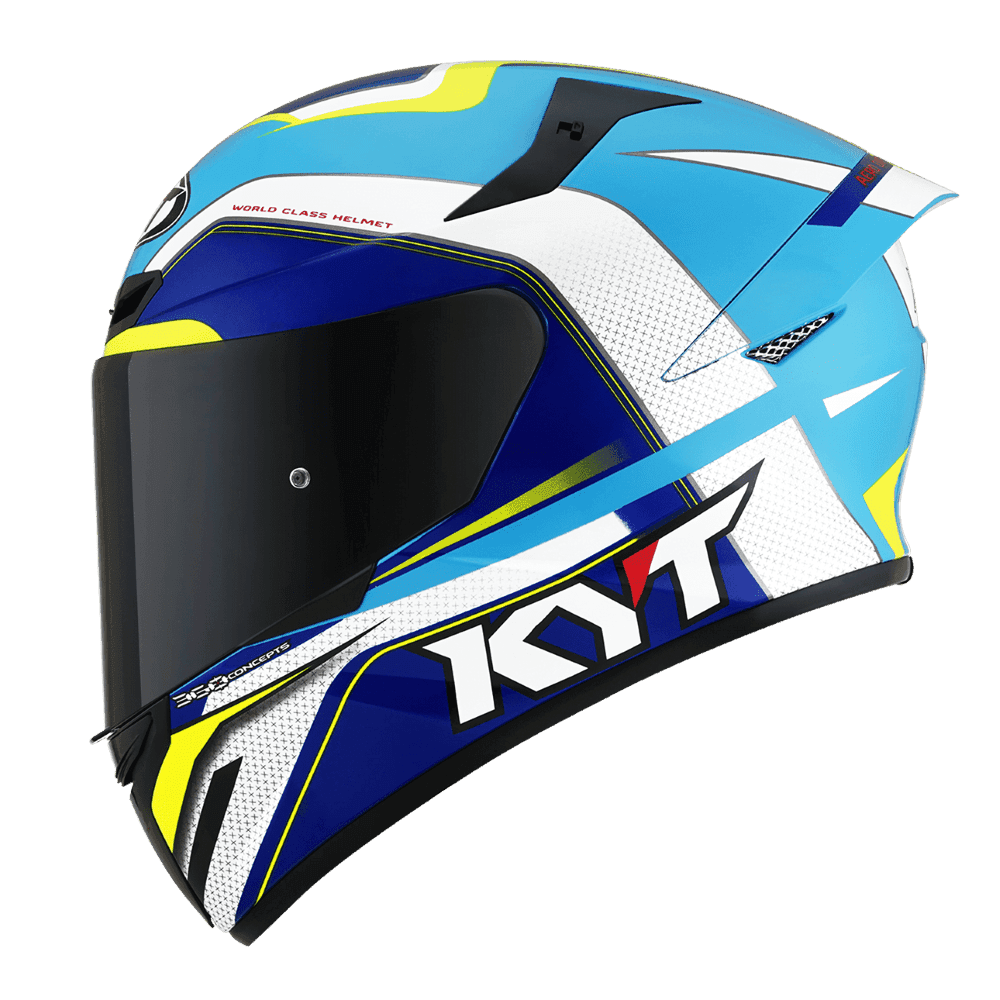
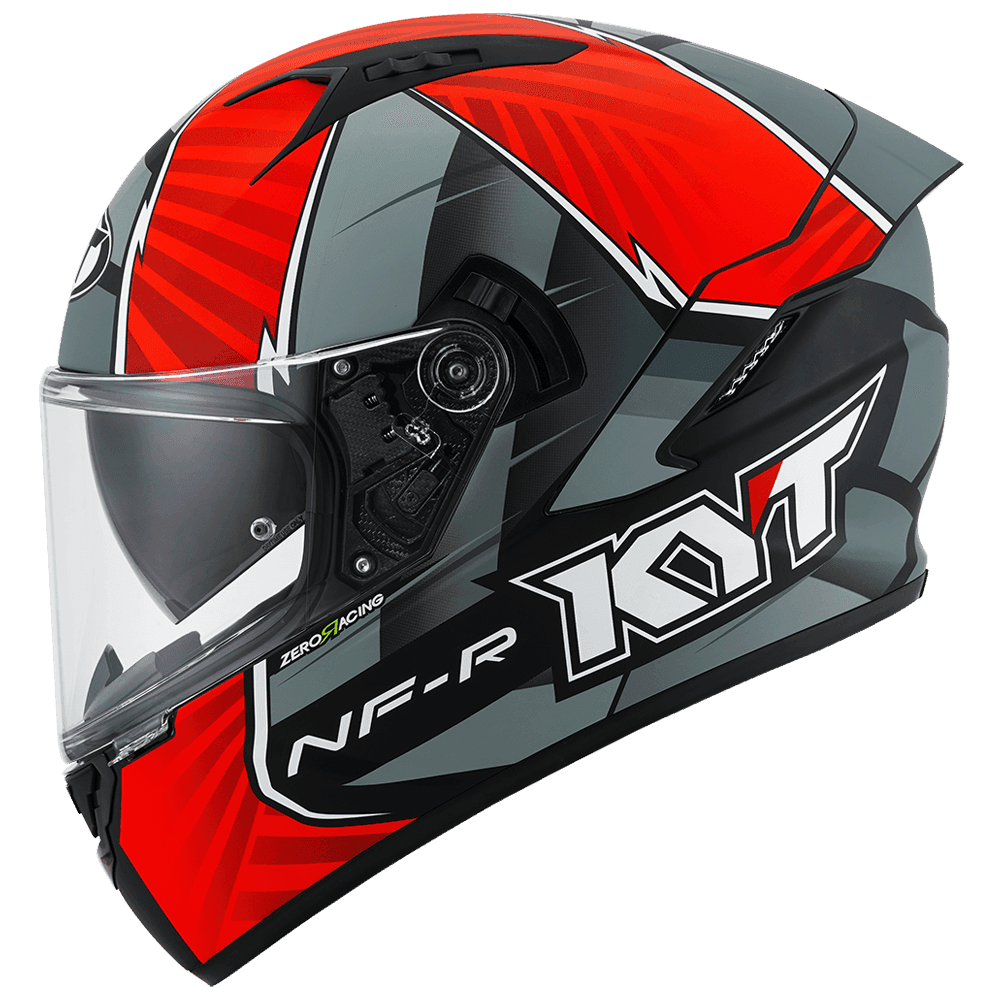
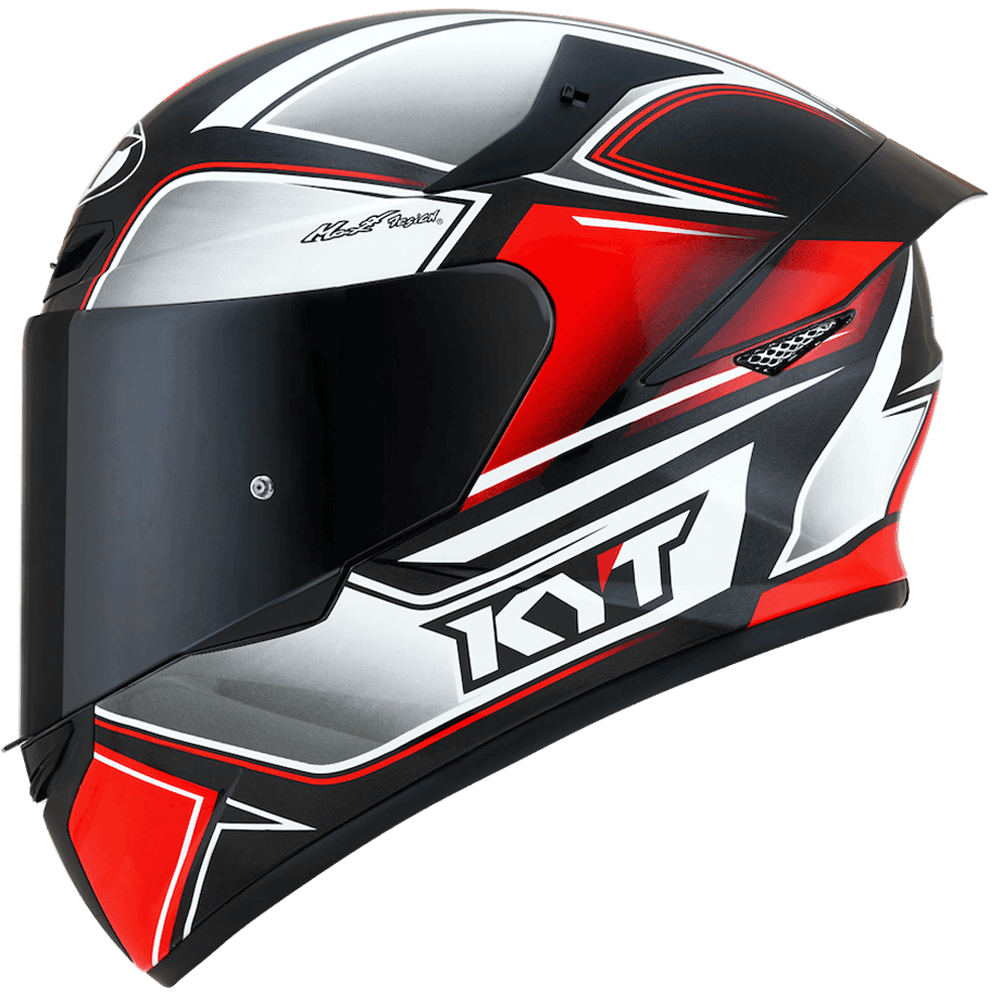
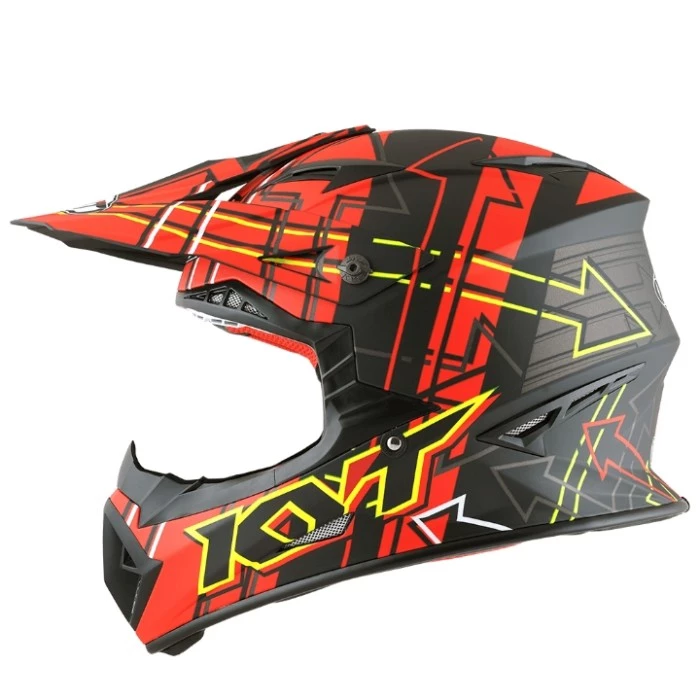
When choosing a motorcycle helmet, riders often compare features such as ventilation, visor systems, comfort liners and safety certifications. But one of the most important differences is hidden beneath the paint and graphics: the helmet shell material.
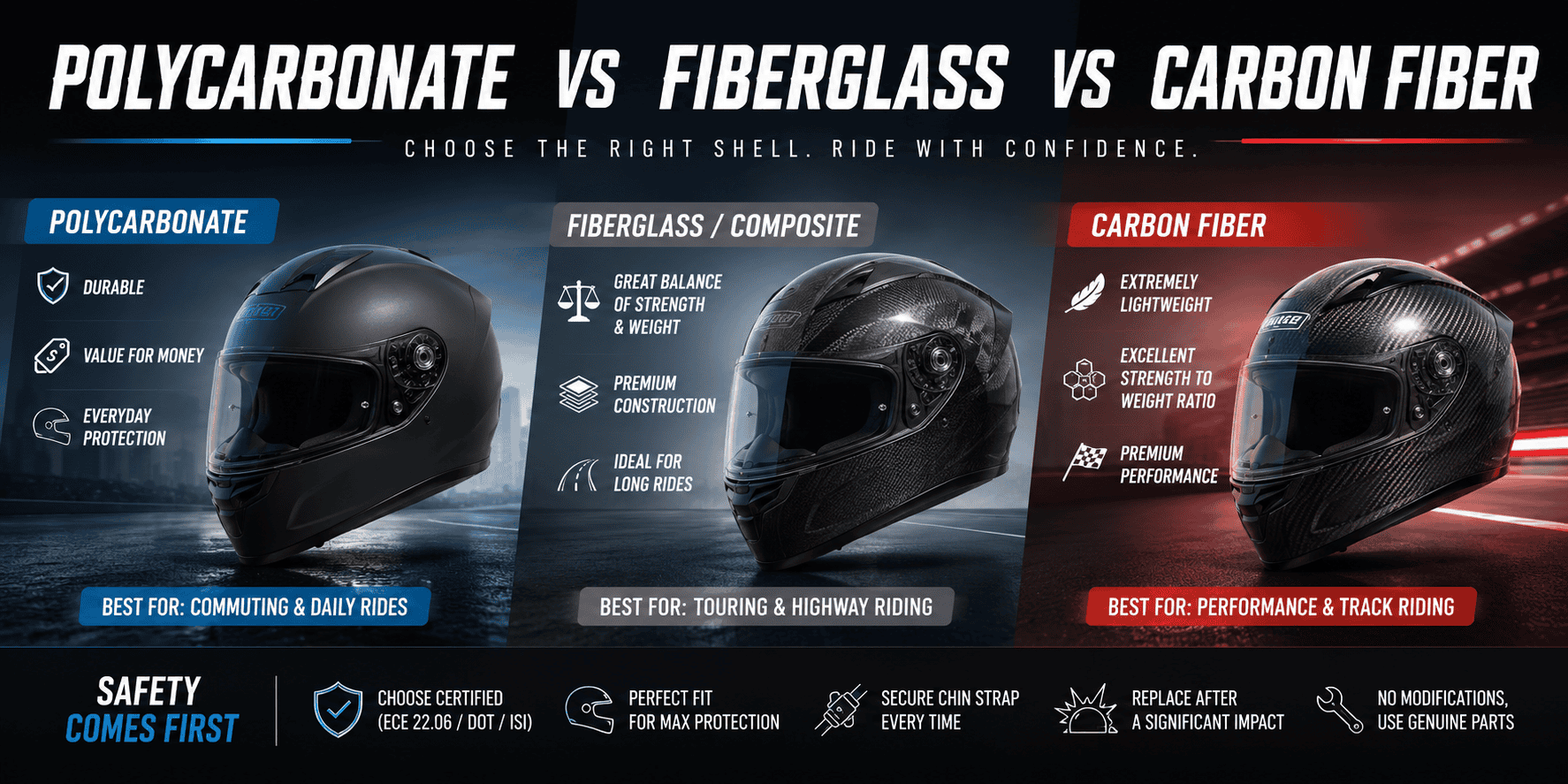
The three most common shell constructions found in premium motorcycle helmets are Polycarbonate, Fiberglass/Composite, and Carbon Fiber.
Each material has its own advantages and compromises. Polycarbonate helmets are generally affordable and durable, fiberglass helmets offer a balance of weight and performance, while carbon fiber helmets are known for their exceptional strength-to-weight ratio and low weight.
But does a carbon fiber helmet automatically mean better protection?
Not necessarily.
A helmet’s safety comes from the entire system — including the outer shell, impact-absorbing liner, retention system, fit, visor and the helmet’s certified performance. The shell works together with the inner liner to manage impact energy.
Let’s understand how these three materials differ and which one makes sense for your type of riding.
What Is a Motorcycle Helmet Shell?
The shell is the hard outer structure of a helmet. It provides the helmet with its shape and forms the first major layer of protection.
During an impact, the shell helps distribute and manage the forces before they reach the energy-absorbing liner inside the helmet. The liner, commonly made using expanded polystyrene (EPS), then helps dissipate impact energy through controlled deformation.
A modern motorcycle helmet can broadly be thought of as a combination of:
- Outer shell
- Impact-absorbing liner
- Comfort liner
- Retention system
- Visor or face shield
- Chin bar on full-face helmets
- Ventilation and other structural components
This is why shell material alone should never be used as the only measure of helmet safety.
Polycarbonate Helmet Shells
Polycarbonate is a thermoplastic material widely used in motorcycle helmet shells.
During manufacturing, polycarbonate pellets are heated and injected into a mould to form the helmet shell. This manufacturing method allows manufacturers to produce shells efficiently and consistently.
Key Characteristics
- Thermoplastic shell construction
- Generally more affordable
- Good impact resistance
- Durable for everyday use
- Consistent manufacturing
- Usually heavier than comparable premium composite helmets
- Often available across a wide range of price points
Advantages of Polycarbonate Helmets
1. Excellent value
Polycarbonate helmets can provide certified protection at a relatively accessible price, making them popular among commuters, touring riders and new motorcyclists.
2. Good durability
Polycarbonate is resistant to many everyday impacts and is well suited to regular motorcycle use.
3. Efficient manufacturing
Injection moulding makes it easier to produce helmets at scale while maintaining consistent dimensions.
4. Ideal for everyday riding
For riders who use their motorcycle primarily for commuting, city riding and occasional touring, a good-quality certified polycarbonate helmet can be a very practical choice.
Limitations
Polycarbonate shells generally require more material to achieve the desired structural characteristics compared with some advanced composite constructions. As a result, equivalent helmet designs can be heavier.
The exact weight, however, depends on the complete helmet design and not just the shell material.
Best For
Commuting | City Riding | Daily Use | Entry-Level Touring | Riders Looking for Value
Fiberglass / Composite Helmet Shells
Fiberglass helmets use glass fibres combined with a resin matrix. Many premium helmets use more complex composite constructions that can combine fiberglass with materials such as aramid, organic fibres or other reinforcement materials.
Instead of simply relying on a moulded thermoplastic shell, composite shells are constructed from layers of reinforcing fibres.
Key Characteristics
- Fibre-reinforced construction
- Generally lighter than many basic thermoplastic helmets
- High structural strength
- Good impact-management potential
- More complex manufacturing process
- Usually positioned above polycarbonate in price
Advantages of Fiberglass Helmets
1. Excellent balance of weight and strength
Fiberglass composites can achieve a strong shell without requiring as much material as some thermoplastic constructions.
2. Premium construction
The layered fibre structure allows manufacturers to engineer the shell for specific structural characteristics.
3. Good choice for touring
For riders spending several hours in the saddle, reducing helmet weight can make a significant difference to overall comfort.
4. Wide range of premium constructions
Fiberglass is often used as part of more advanced composite shell designs rather than as a completely standalone material.
Limitations
Composite helmets are generally more expensive to manufacture than injection-moulded thermoplastic helmets.
They can also be more expensive to repair or replace, depending on the manufacturer and construction.
Best For
Touring | Long-Distance Riding | Sport Touring | Premium Daily Riding | Riders Wanting a Weight/Performance Balance
Carbon Fiber Helmet Shells
Carbon fiber is a high-performance reinforcement material made from extremely thin carbon filaments.
Its biggest advantage in helmet construction is its excellent strength-to-weight potential.
Manufacturers can use carbon fiber in carefully engineered shell constructions to reduce weight while maintaining the required structural performance.
Key Characteristics
- Very high strength-to-weight potential
- Extremely lightweight constructions possible
- High stiffness
- Premium construction
- Complex manufacturing process
- Usually the most expensive of the three categories
Advantages of Carbon Fiber Helmets
1. Lightweight
This is one of the biggest reasons riders choose carbon fiber helmets.
A lighter helmet can reduce the load on the rider’s neck and make a difference during long rides.
2. High strength-to-weight ratio
Carbon fibre allows manufacturers to engineer strong, lightweight shell structures.
3. Premium performance
Carbon fiber is commonly used in high-end motorcycle helmets where reducing weight is a major design priority.
4. Excellent for long-distance and performance riding
Riders who spend long hours on highways, ride aggressively or participate in track riding may particularly appreciate a lightweight helmet.
Limitations
Higher price
Carbon fiber requires more expensive materials and manufacturing processes.
Price does not automatically equal higher safety
A carbon fiber helmet is not automatically safer than every fiberglass or polycarbonate helmet.
A properly designed and certified helmet made from polycarbonate can provide excellent protection. The helmet’s overall design and certified performance are more important than simply looking at the shell material.
Best For
Long-Distance Touring | Performance Riding | Track Riding | Adventure Touring | Riders Prioritising Minimum Weight
Polycarbonate vs Fiberglass vs Carbon Fiber: Quick Comparison
| Feature |
Polycarbonate |
Fiberglass / Composite |
Carbon Fiber |
| Shell type |
Thermoplastic |
Fibre-reinforced composite |
Carbon fibre composite |
| Weight |
Generally heavier |
Generally lighter |
Usually lightest |
| Strength-to-weight |
Good |
Very good |
Excellent potential |
| Durability |
Very good |
Very good |
Very good |
| Manufacturing cost |
Lower |
Higher |
Highest |
| Typical price |
Basic |
Mid |
High-end |
| Comfort on long rides |
Good |
Very good |
Excellent |
| Everyday commuting |
Excellent |
Excellent |
Excellent |
| Touring |
Very good |
Excellent |
Excellent |
| Performance riding |
Good–Very good |
Excellent |
Excellent |
| Main advantage |
Value & durability |
Balance |
Low weight |
| Main drawback |
Can be heavier |
Higher cost |
High cost |
Important: These are general characteristics, not guarantees for every helmet model. Shell design, EPS density, shell thickness, size, geometry and certification can significantly change the final performance.
Does Carbon Fiber Mean a Safer Helmet?
This is one of the biggest misconceptions in helmet shopping.
Carbon fiber does not automatically mean maximum protection.
A helmet’s protection depends on multiple components working together.
For example:
1. Outer Shell
The shell provides structural integrity and helps manage impact forces.
2. EPS / Impact Liner
The inner energy-absorbing liner is designed to deform during an impact and dissipate energy before it reaches the rider’s head.
3. Helmet Shape
The shape and geometry of the helmet influence how it manages impacts and interacts with the road.
4. Retention System
The chin strap and retention system keep the helmet correctly positioned on the rider’s head.
5. Fit
Even an extremely expensive helmet cannot perform as intended if it does not fit correctly.
6. Certification
Independent regulatory standards evaluate helmet performance through specified testing procedures.
UN Regulation No. 22, for example, covers motorcycle helmets and includes requirements related to areas such as impact performance, retention, field of vision and other characteristics.
What Helmet Certification Should You Look For?
When buying a motorcycle helmet, don’t start with the shell material.
Start with certification.
Depending on your market and intended use, riders may encounter certifications such as:
- ECE 22.06
- DOT / FMVSS 218
- ISI 4151 / applicable Indian Standards
- Snell certifications on applicable helmets
ECE 22.06 is a modern motorcycle helmet regulation under UN Regulation No. 22. The regulation specifies performance requirements and testing for protective helmets and their components.
A certification mark should be genuine and appropriate for the specific helmet model.
ECE 22.06: Why Is It Important?
ECE 22.06 is an updated motorcycle helmet standard that introduced more comprehensive testing requirements compared with earlier versions.
Testing covers various aspects of helmet performance, including impact-related performance, retention and other requirements.
The standard also considers different helmet configurations, including modular helmets in relevant testing conditions.
For riders shopping for a modern motorcycle helmet, ECE 22.06 is an important certification to look for, especially when comparing premium helmets.
How to Choose the Right Shell Material
There is no single shell material that is perfect for every rider.
Instead, choose based on your riding style, budget and priorities.
Choose Polycarbonate If:
- You primarily commute in the city
- You ride every day
- You want good value
- You are buying your first quality helmet
- Weight is not your biggest priority
- You want a durable everyday helmet
Example use case:
Daily 20–40 km commuting, weekend rides and occasional highway trips.
Choose Fiberglass / Composite If:
- You regularly go on long rides
- You want to reduce helmet weight
- You want a premium shell construction
- You frequently tour on highways
- You want a balance between price and performance
Example use case:
Weekend touring, 500–1,000 km rides, highway travel and sport touring.
Choose Carbon Fiber If:
- Minimum weight is your priority
- You frequently ride long distances
- You participate in performance or track riding
- You want a premium helmet
- You are willing to pay more for weight reduction
Example use case:
Long-distance touring, adventure touring, track riding and riders who are particularly sensitive to helmet weight.
Helmet Weight: Why Does It Matter?
Helmet weight becomes increasingly noticeable as riding time increases.
A helmet may feel perfectly comfortable for a 30-minute commute but become tiring after several hours.
A lighter helmet can help reduce the sensation of weight on the head and neck, particularly during extended rides.
However, lighter does not automatically mean safer.
The correct approach is:
Certified protection + correct fit + suitable weight + comfortable design.
Shell Material Isn’t the Only Factor
Two helmets made using the same shell material can have completely different characteristics.
When comparing helmets, also look at:
EPS Liner
Check whether the helmet uses a multi-density or specially engineered impact liner.
Fit
A helmet should provide firm, even contact around the head without painful pressure points.
Retention System
A properly adjusted chin strap is essential.
Ventilation
Good airflow improves comfort during hot-weather riding.
Visor
Look for a quality visor with good optical clarity and appropriate anti-fog features.
Noise
Helmet aerodynamics, vents, shell shape and padding all influence wind noise.
Emergency Features
Some premium helmets include emergency-release cheek pads or other features designed to assist in emergency situations.
Compatibility
If you use an intercom, action camera or other accessories, make sure they are compatible with the helmet and do not interfere with its structural components or retention system.
Safety Measures Every Rider Should Follow
Regardless of whether your helmet is polycarbonate, fiberglass or carbon fiber, follow these basic safety practices.
1. Always Wear a Full-Face Helmet When Appropriate
A full-face helmet provides coverage for the head and face, including the chin area.
2. Get the Correct Size
Your helmet should fit snugly without causing excessive pressure or pain.
The helmet should not move excessively when you shake your head.
3. Fasten the Chin Strap Correctly
A loose chin strap can compromise helmet retention.
Always fasten and adjust it according to the manufacturer’s instructions.
4. Replace a Helmet After a Significant Impact
A helmet can sustain internal damage that may not be obvious from the outside.
If the helmet has experienced a significant impact, follow the manufacturer’s replacement guidance.
The U.S. FMVSS 218 requirements also explicitly instruct users to replace or destroy a helmet after a severe blow and warn against modifications.
5. Avoid Unapproved Modifications
Do not drill holes, cut the shell, remove structural components or make other modifications that are not approved by the manufacturer.
6. Be Careful With Chemicals
Paints, solvents, adhesives and some cleaning chemicals can damage helmet materials.
Use only cleaning products recommended by the helmet manufacturer.
7. Replace Worn-Out Components
Cheek pads, comfort liners, visors and other replaceable components can wear over time.
Replace them using genuine or manufacturer-approved parts.
8. Store Your Helmet Properly
Avoid leaving your helmet exposed to excessive heat, direct sunlight or harsh chemicals for prolonged periods.
Common Myths About Helmet Shell Materials
Myth 1: “Carbon fiber helmets are always the safest.”
Reality: Carbon fiber can enable extremely lightweight and strong constructions, but safety depends on the complete helmet design and certification.
Myth 2: “Polycarbonate helmets are unsafe.”
Reality: A properly designed and certified polycarbonate helmet can provide effective protection.
Myth 3: “A heavier helmet protects better.”
Reality: Weight alone does not determine protection.
Myth 4: “The most expensive helmet is automatically the best.”
Reality: The best helmet is the one that provides appropriate certified protection, fits correctly and suits your riding requirements.
Myth 5: “If the helmet looks fine after a crash, it is safe to use.”
Reality: Internal damage may not always be visible. After a significant impact, follow the manufacturer’s replacement guidance.
Final Buying Checklist
Before purchasing your next motorcycle helmet, check:
- Suitable weight for your riding duration
- Compatibility with your riding accessories
- Manufacturer-recommended care and replacement information
- Correct helmet size and fit
- Genuine safety certification
- Appropriate helmet type for your riding
- Comfortable cheek and head padding
- Secure retention system
- Good ventilation
- Clear and properly functioning visor
The Bottom Line
Polycarbonate, fiberglass and carbon fiber are all capable helmet shell materials.
The key difference is the balance they offer between weight, manufacturing complexity, durability, performance and cost.
For everyday riders, a quality certified polycarbonate helmet can be an excellent choice. Fiberglass and composite helmets are attractive for riders looking for a lighter, more premium construction, while carbon fiber is ideal for those who place a high priority on minimizing helmet weight.